
Lower back pain can significantly impact daily life. It may limit mobility, disrupt sleep, and affect work productivity. Emotional well-being can suffer due to chronic pain.
Proper posture, exercise, and ergonomic adjustments can help manage and prevent back pain. Seeking advice and, if required, treatment is crucial for long-term relief.
Disclaimer: This article is for general information purposes only and does not consist of any medical advice.
What is it?
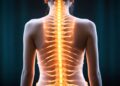
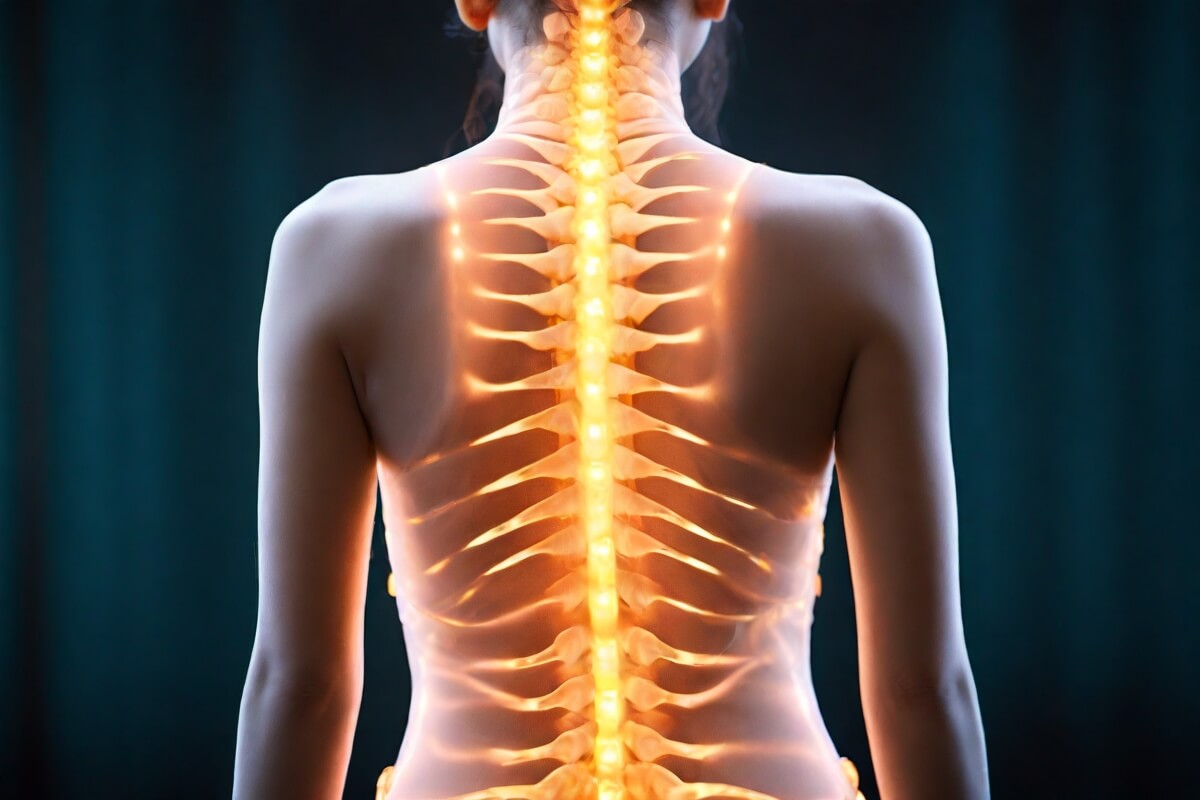
Lower back pain refers to discomfort or soreness in the lumbar region of the spine, which is the area between the ribcage and the pelvis. It is a common condition that can range from mild to severe.
What are some possible causes?
Lower back pain is a prevalent issue that affects many people, for a variety of reasons. Here are some common causes:
- Muscle or Tendon Strain: Injury to the muscles or tendons in the back can lead to pain. Activities like lifting heavy objects or sudden movements may strain these tissues.
- Arthritis: Conditions like osteoarthritis can cause pain in the lower back. Arthritis affects the joints and can lead to discomfort.
- Structural Problems: Severe back pain can result from conditions like scoliosis, which alter spine alignment.
- Disk Injuries: Problems with the disks (soft, rubbery tissue that cushions the bones in the spine) can lead to pain. Disk wear and tear with age can contribute to stiffness and discomfort.
- Weight and Lifestyle: Excess weight puts pressure on joints and disks, increasing the risk of back pain. Sedentary lifestyles, smoking, and alcohol consumption also play a role.
- Occupation: Jobs that involve heavy lifting or bending increase the risk of back injuries.
- Mental Health: Depression and anxiety can contribute to back pain.
What can I do for you?
In many cases I can help you to relieve, or even to cure your pain. In certain circumstances, however, I may need to refer you to a medical specialist. Together with you, I will do this in full independence. I have no affiliation with any medical specialist.
Your first consultation will consist of:
1. Intake
I will take the time to let you tell me about your complaints. Together we discuss any possible causes of your pain and I may ask you to undergo a first light examination.
After the intake, I will be able to tell you whether treatment is feasible or whether it would be more appropriate to visit a medical specialist.
If treatment is feasible, then I may suggest various alternatives to you, each with its own characteristics.
2. Familiarization with the proposed treatment
Before we start with the treatment, I will explain you in detail, what the treatment will consist of, and what physical responses you may expect during the treatment.
3. Treatment Session
The treatment session will take approximately 45 minutes to one hour. During this session, I will ask continuous feedback from you, to ensure that you feel comfortable and to get the maximum benefit out of your treatment session.
4. Evaluation
The session will end with a brief evaluation, during which we discuss to which extent you experience immediate benefits, or any discomfort during the session.
I will advise you on next steps, which could one or more of the following:
- Follow-up-sessions.
- Personal lifestyle-advice, to supplement my treatment.
- In certain cases, referral to a medical specialist may be advisable.
What can you do yourself?
Here are some ways to that may relieve your lower back pain:
1. Sleep Better
- Ensure a good night’s sleep by maintaining proper sleep positions.
- Lie on your side with a pillow between your knees to keep your spine neutral.
- If you sleep on your back, slide a pillow under your knees.
- Opt for a comfortably firm mattress.
2. Good Posture
- Avoid slouching, especially during prolonged sitting.
- Sit upright with relaxed shoulders and proper back support.
- Consider placing a pillow or rolled towel between your lower back and the chair.
- Keep your feet flat on the floor.
3. Physical Therapy
- Learn proper alignment and movement techniques from a physical therapist.
- Strengthen your core muscles to support your back.
- Increasing strength, flexibility, and endurance can reduce back pain over time.
4. Stay Active
- Avoid prolonged bed rest; it can worsen back pain.
- Gradually start moving again to prevent complications.
- Exercise is one of the most effective ways to relieve back pain quickly.
For Appointments and Information
Ready for an appointment? I’m only one call away!
You’re invited to call or WhatsApp me at 0811 981 656.
Or have a look at:
- My website: www.sriekowati.com
- My Instagram: health_beauty_with_acupuncture
Further references:
- Lower Back Pain: Treatments and Causes | Bupa UK
- Lower Back Pain Causes in Females: Symptoms, Treatments, More (healthline.com)
- Low Back Pain: Causes, Diagnosis & Treatments (clevelandclinic.org)
- 14 Ways to Relieve Back Pain (webmd.com)
- 8 Simple Stretches to Relieve Lower Back Pain (healthline.com)